
Dimensional Control for Structural Positioning
Structural Foundation and Bridge Layout in Brownfield for construction teams maintaining engineered alignment during foundation and pier installation
Foundation corners, pier locations, anchor bolt positions, and retaining wall alignments require dimensional accuracy that allows structural steel, precast components, and building frames to fit without field modifications or tolerance stacking that compromises structural integrity. Stake Tech Models delivers structural foundation and bridge layout for commercial developments, infrastructure work, and heavy civil projects where contractors coordinate with engineers and project managers to maintain specifications throughout concrete operations and steel erection. When layout positions foundation elements correctly, column baseplates align with anchor bolts, precast panels fit intended openings, and bridge components connect without forced adjustments that introduce stress concentrations.
Structural layout establishes horizontal control for foundation footprints, vertical references for elevation-critical components, and dimensional verification for anchor bolt templates and embedded items that must align with structural members arriving later in construction sequences. Coordination with engineering drawings ensures field positions match design intent before concrete placement locks in geometry.
Schedule structural layout support early in project timelines to confirm control establishment and coordinate verification phases with concrete pours.
What Changes After Foundation Layout Completes
Structural layout requires transferring design coordinates into field positions using control networks that support repeated verification as forming, reinforcement placement, and concrete operations progress through foundation construction, pier installation, and structural component positioning. Stake Tech Models establishes primary control points and transfers dimensional data into layout marks that survive construction activity while maintaining accuracy for anchor bolt setting, column positioning, and bearing surface elevations across commercial and infrastructure projects.
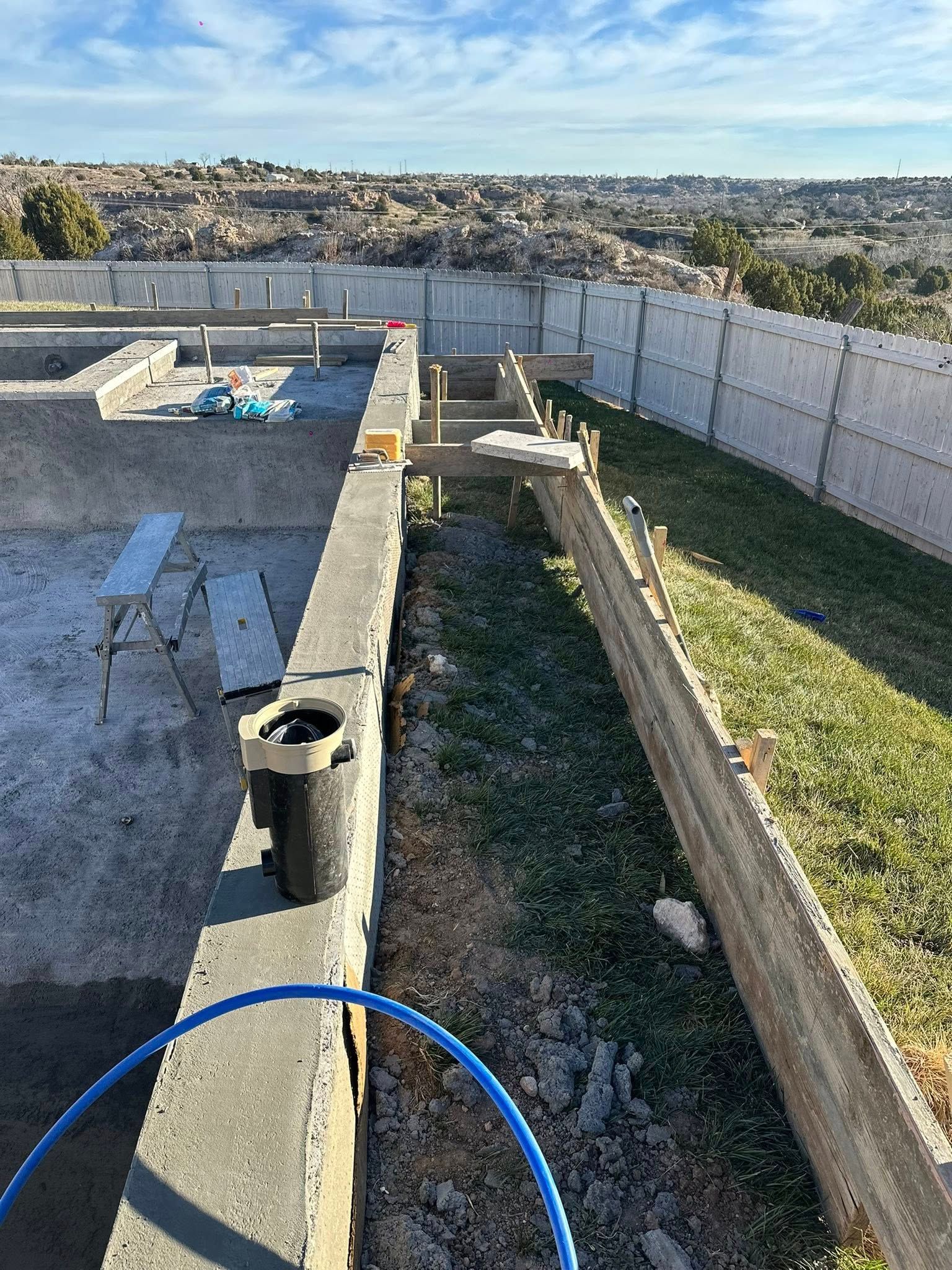
After layout is verified, forming crews set foundation edges and corners to marked positions, rebar installers tie reinforcement within dimensional tolerances, and ironworkers place anchor bolt templates with confidence that positions match structural steel shop drawings. Bridge abutments align with beam bearings, retaining wall footings follow horizontal and vertical profiles, and building pads provide level surfaces that simplify frame erection and reduce shimming requirements.
Layout services support foundations for building construction, piers for bridge projects, retaining walls for site development, and structural steel placement across heavy civil work. The scope includes control point establishment, dimensional layout for foundation corners and edges, anchor bolt positioning for structural connections, elevation verification for bearing surfaces, and coordination with structural engineers throughout construction phases.
Questions Before Starting Your Project
Project teams managing structural tolerances and coordination across multiple construction phases typically need clarity on layout accuracy, verification timing, and control methods before foundation work begins.
What accuracy standards apply to structural foundation layout?
Foundation layout typically maintains horizontal tolerances within one-quarter inch for anchor bolt positioning and vertical tolerances within one-eighth inch for bearing elevations, ensuring structural connections align without forced fits that introduce unwanted stresses into completed assemblies.
How does layout verification occur during concrete operations?
Verification involves checking foundation corners and anchor bolt positions after forming is complete but before concrete placement, then re-checking anchor bolt positions after concrete sets while adjustments remain possible, preventing costly corrections after concrete cures and structural steel arrives on site.
When should structural layout coordinate with steel fabrication schedules?
Layout should occur early enough to verify field dimensions match shop drawing assumptions, allowing fabricators to proceed with confidence that anchor bolt patterns, column spacings, and bearing elevations in the field will align with structural members already in production.
Why does dimensional accuracy matter for bridge construction?
Bridge components arrive fabricated to tight tolerances based on design dimensions, and layout errors that misposition abutments or pier caps require field modifications, shimming, or component rejection that delays erection and increases costs when connections don't align as engineered.
What field conditions affect foundation staking in Brownfield?
Wind can displace stakes and reference marks on exposed sites, temperature extremes affect concrete curing and dimensional stability, and soil movement during excavation requires control point verification before each construction phase to ensure layout accuracy persists throughout foundation installation.
Stake Tech Models provides dimensional control and elevation references that help construction teams maintain engineered specifications for foundations, piers, retaining walls, and structural components across Texas projects. Accurate structural layout reduces rework and supports efficient field operations—contact Stake Tech Models at (806) 891-0106 to arrange layout coordination that aligns with your construction schedule and structural installation timeline.