
Material Movement Data for Grading Operations
Cut and Fill Reporting in Brownfield for earthwork crews managing material balance and site grading efficiency
Cut and fill reporting provides organized data that shows how much material needs to be excavated, where fill is required, and whether a site can be balanced without hauling surplus dirt offsite or importing additional fill. Stake Tech Models generates detailed reports for excavation quantities, fill areas, and site balancing strategies using survey topography and grading plans that define finished elevations across commercial developments, roadway projects, and large-scale grading operations. Contractors working in Brownfield and across West Texas use these reports to plan equipment schedules, coordinate material flow, and avoid unnecessary hauling costs before grading begins.
Reporting integrates color-coded grading visuals that separate cut zones from fill zones, making it easier for superintendents and operators to interpret material movement requirements in the field. Each report includes volume calculations organized by grading phase or structural area, supporting phased construction schedules and utility coordination during site development.
Request cut/fill analysis before earthwork mobilization to verify material requirements and improve grading coordination.
Why Accurate Reporting Prevents Material Shortages
Accurate cut and fill calculations help contractors avoid two common grading problems: hauling excess material offsite when it could be redistributed onsite, and discovering fill shortages midway through grading operations when import costs are highest. Reporting accounts for compaction factors, drainage transitions, and elevation changes that affect how much material actually moves across the site during construction.
Once reporting is complete, grading crews know where stockpiles should be located, how material flows from cut areas to fill zones, and whether haul routes need to be coordinated for offsite disposal or import operations. Field teams working with organized reporting can set blade targets, verify finish elevations, and coordinate subcontractor schedules without waiting for elevation checks that slow down production and delay utility installation.
Reporting also supports budgeting accuracy by clarifying how much equipment time is required for material redistribution and whether additional hauling will affect project costs. Contractors managing large commercial or civil projects benefit from early reporting that identifies grading challenges before construction schedules are finalized and equipment is mobilized.
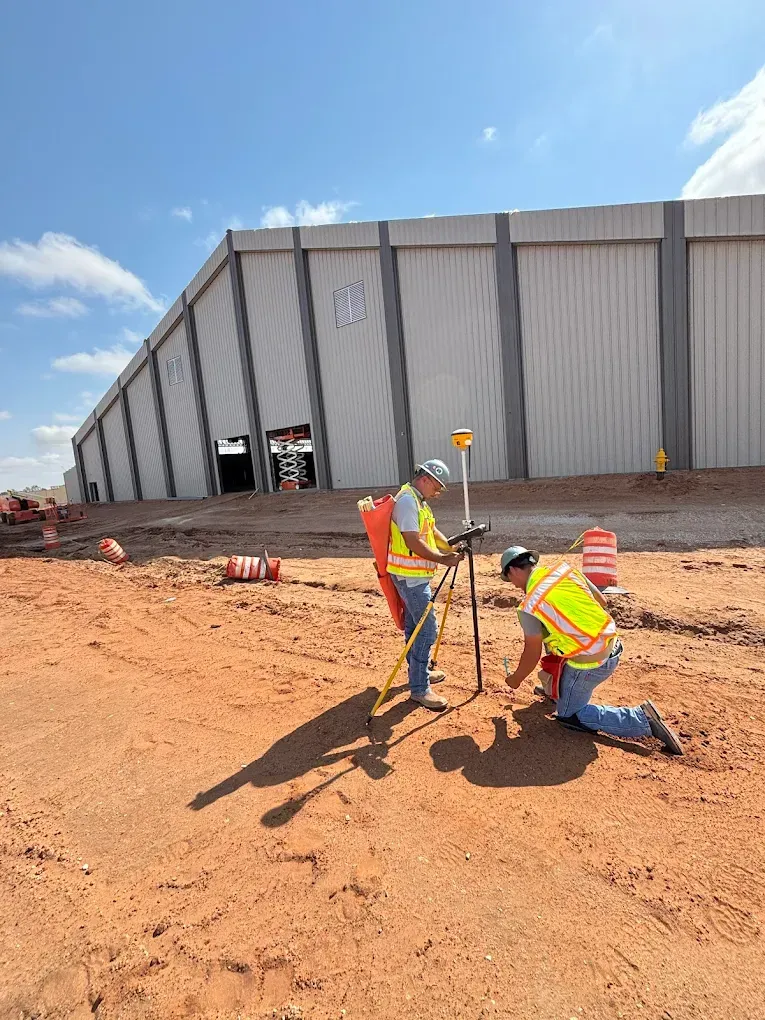
Answers to Common Reporting Questions
Contractors coordinating grading operations and material logistics across West Texas projects often ask how cut and fill reporting improves planning accuracy and field efficiency.
How does reporting improve site balancing strategies?
Detailed volume calculations show whether onsite material can meet fill requirements or if import becomes necessary, allowing contractors to plan hauling logistics and material procurement before grading starts.
What makes color-coded grading visuals easier to interpret in the field?
Color gradients separate excavation zones from fill areas, eliminating the need for operators to reference elevation tables constantly and improving production efficiency during grading operations.
Why do compaction factors affect final cut and fill volumes?
Soil shrinks when excavated and swells when compacted, meaning raw volume calculations don't reflect actual material movement without adjustment for compaction and shrinkage rates specific to soil conditions in Brownfield and surrounding regions.
When should reporting be requested during project planning?
Reporting requested during preconstruction phases allows contractors to verify grading budgets, coordinate equipment schedules, and identify haul route requirements before breaking ground.
What projects benefit most from detailed cut and fill analysis?
Commercial developments, roadway grading, and large-scale site work involving multiple grading phases or utility corridors see the greatest improvement in coordination and cost control when reporting is completed early.
Stake Tech Models provides reliable cut and fill calculations for contractors, developers, and earthwork crews managing material movement across Texas construction sites. Coordinate reporting during preconstruction to verify grading requirements and reduce hauling uncertainty before equipment mobilizes.