
Layout That Keeps Field Operations Moving
Construction Staking in Brownfield for active jobsites that depend on dimensional accuracy and coordinated field layout
Stake Tech Models provides construction staking for civil, commercial, and site-development projects across Texas where contractors depend on precise field layout to maintain schedule and reduce rework. When grading crews, utility installers, and structural teams rely on benchmarks, offsets, and control points, field operations move efficiently through each construction phase. Roadway alignments, utility positions, structural footprints, and grading transitions all require accurate staking before excavation equipment begins work or concrete forms are set.
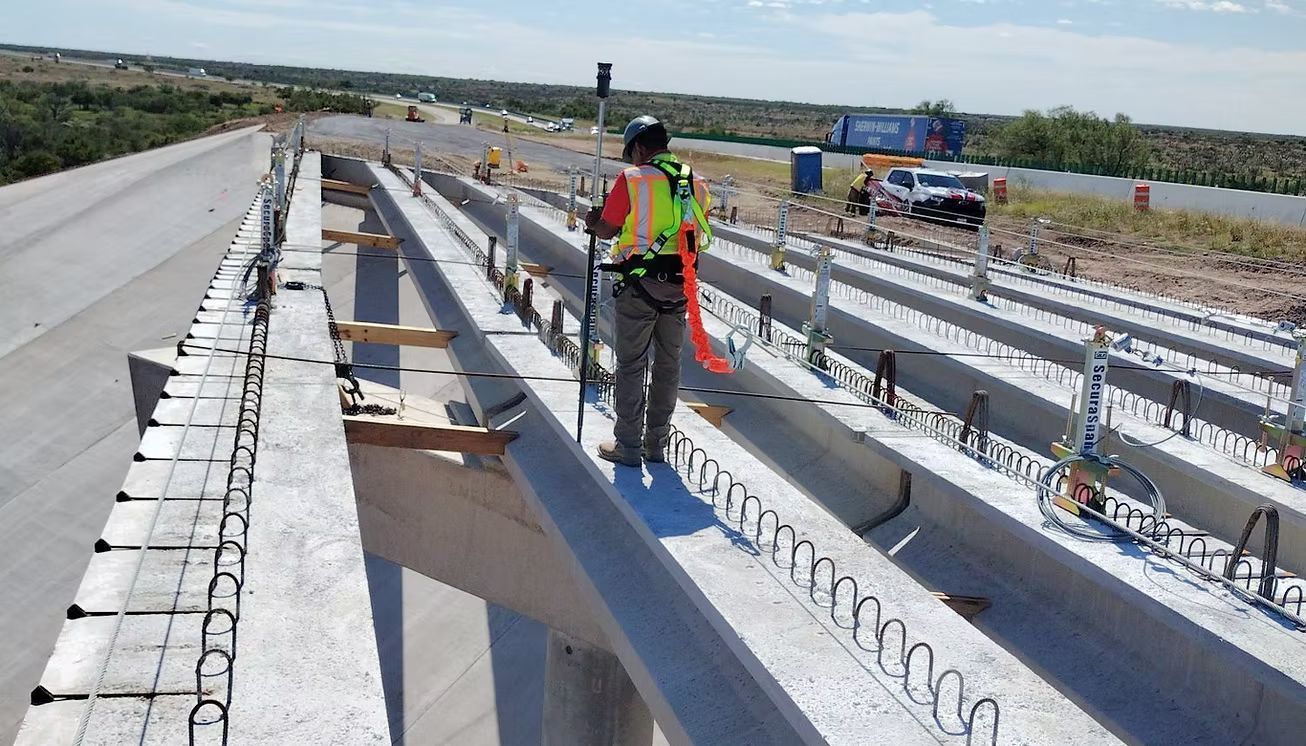
Construction staking establishes the physical reference points field crews use to position excavation limits, utility trenches, foundation corners, and curb lines according to engineered drawings. Stake Tech Models translates design data into field-readable layout using control points that guide equipment operators and installation teams through roadway construction, drainage work, building pad preparation, and structural positioning across active Texas jobsites.
Request layout scheduling before field mobilization to confirm control availability and coordinate staking phases with your construction timeline.
How Reliable Staking Supports Field Efficiency
Construction staking involves establishing horizontal and vertical control that matches engineered specifications, then marking those positions in the field using offset stakes, hubs, and reference marks that survive equipment traffic and weather exposure. Stake Tech Models uses benchmark networks and elevation references to set grading stakes for earthwork, alignment stakes for roadway construction, and dimensional control for structural components, ensuring contractors receive consistent field data throughout project phases.
Once staking is complete, excavation operators cut to marked grades without waiting for repeat measurements, paving crews maintain centerline alignment through changing terrain, and structural teams position anchor bolts and foundation corners within tolerance. Clear field communication through accurate layout reduces the back-and-forth that delays operations when crews question elevations or horizontal positions during active construction.
Staking services support contractors, developers, engineers, and excavation teams working on roadway projects, utility installations, building construction, and infrastructure development. The scope includes initial control establishment, offset staking during earthwork, finish-grade verification before paving, and structural layout coordination that aligns with engineering schedules and field conditions across Brownfield and surrounding Texas regions.
Answers to Frequent Layout Questions
Contractors managing multiple trade coordination and tight construction windows typically ask about layout timing, control durability, and staking methods before scheduling field support.
What does construction staking include for site-development projects?
Staking covers benchmark establishment, grading control for earthwork, utility alignment marking, roadway layout with centerlines and pavement edges, structural positioning for foundations and columns, and elevation verification before finish operations begin.
How does offset staking protect control points during active excavation?
Offset stakes are placed outside excavation limits at measured distances from final positions, allowing equipment operators to work without destroying reference marks while maintaining access to horizontal and vertical control throughout grading and trenching operations.
When should contractors request initial layout support?
Layout should occur after clearing and initial rough grading are complete but before excavation crews begin trenching or pad preparation, ensuring control points remain visible and accessible as field operations progress through each construction phase.
Why does staking accuracy matter for utility installations in Texas?
Proper invert elevations and slope control determine whether storm drainage systems move water efficiently during heavy rain events common across West Texas, and accurate utility alignments prevent conflicts when multiple underground systems converge at intersections or building service entries.
What field conditions affect staking schedules in Brownfield?
Wind, dust storms, and temperature extremes can impact stake visibility and control durability, so layout timing often coordinates with weather windows and project milestones to ensure references remain intact when crews need them for critical operations.
Stake Tech Models coordinates layout phases with contractors, engineers, and project schedules to deliver staking support that aligns with field operations and reduces installation delays. Schedule your staking consultation to confirm control requirements and coordinate layout delivery with your mobilization timeline.